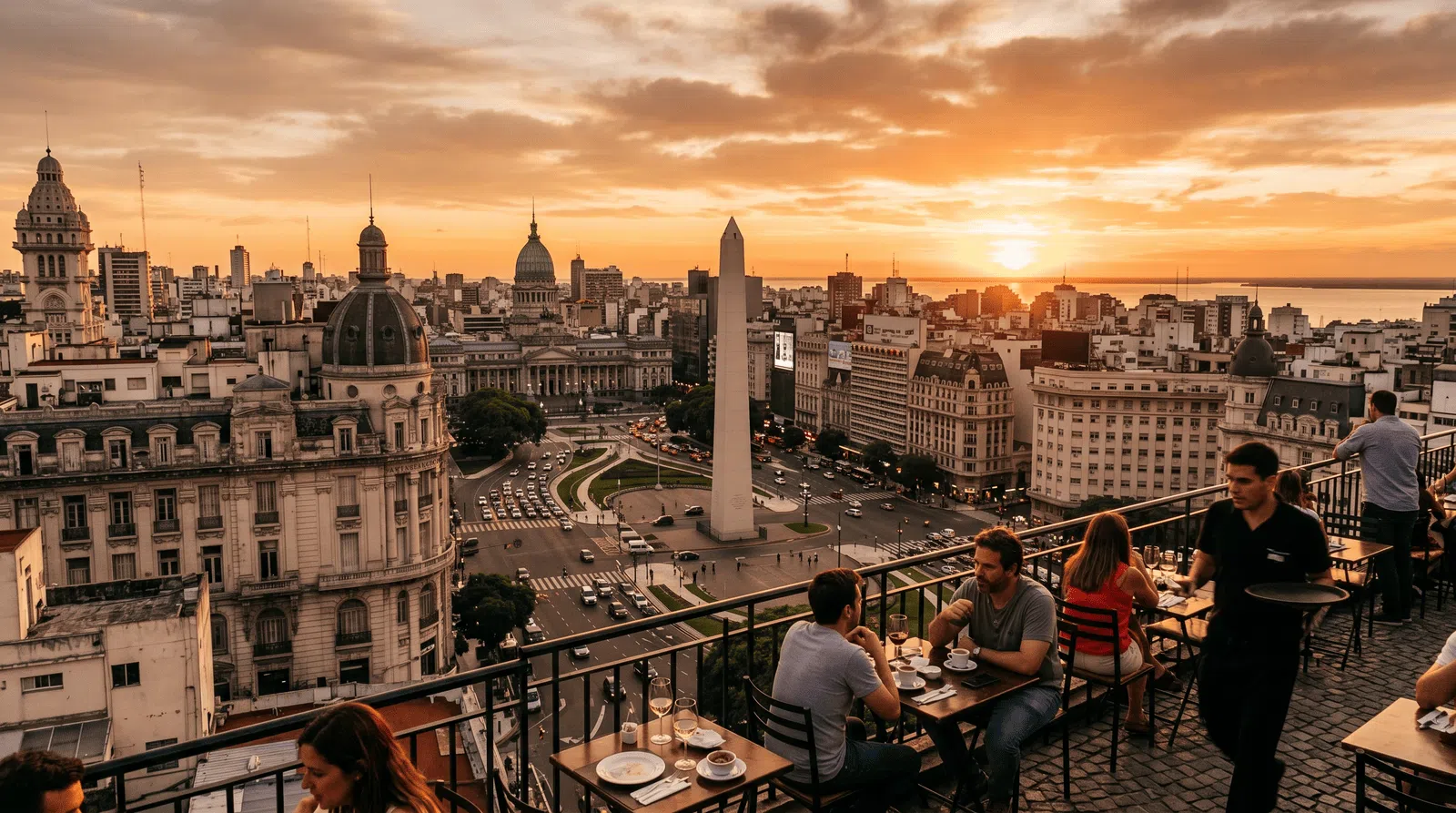
The Buenos Aires issue, November 2026
Buenos Aires
Buenos Aires operates on a nocturnal rhythm that defies conventional schedules.
Plan your Buenos Aires trip
Live prices from our booking partners.
Guests & rooms
Free cancellation on many rooms. We may earn a commission when you book.
An insider’s read on Buenos Aires
Built on waves of late 19th-century European immigration, primarily from Italy and Spain, Buenos Aires developed an identity distinct from the rest of South America. This cultural fusion created tango—a dance born in the working-class tenements of La Boca—and a unique local dialect, Lunfardo. The city's golden age in the early 20th century left a legacy of grand public parks, wide avenues, and opulent palaces, while subsequent decades of political upheaval and economic volatility have forged a population that is fiercely expressive, politically active, and deeply resilient.
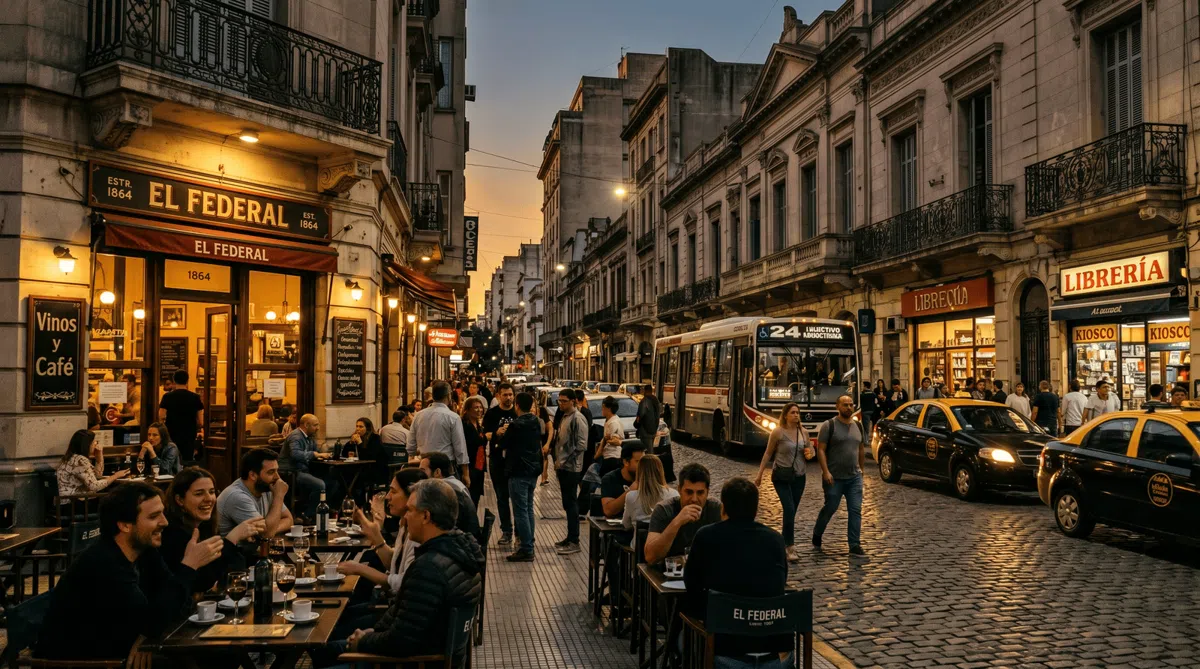
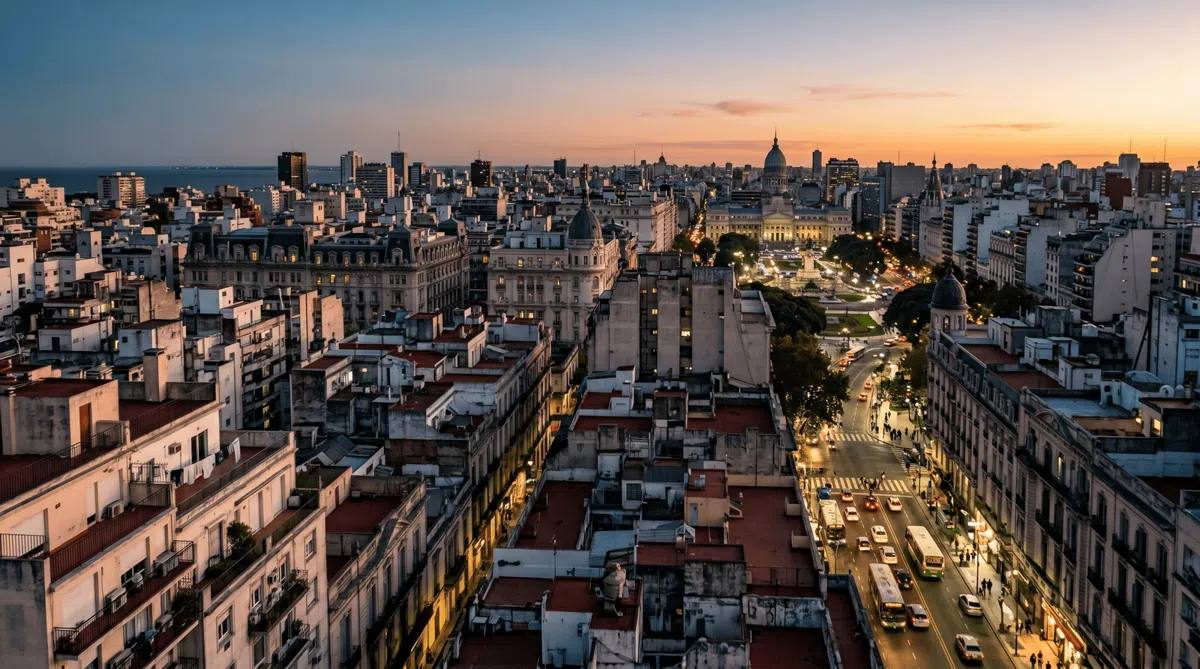
This is a place where literature, theater, and late-night dining are not weekend luxuries but daily necessities.
From our Buenos Aires guide
Four neighbourhoods, four ways to stay
Pick the neighbourhood first and the trip follows. Each one opens its own guide, with the hotels inside it.
Palermo
Suits travelers seeking nightlife, boutique shopping, and trendy dining. The trade-off is a highly gentrified atmosphere that feels disconnected from traditional Argentine life, along with noisy streets on weekends.
A sprawling district split into Soho and Hollywood, characterized by low-rise brick warehouses, tree-lined streets, designer boutiques, and an endless concentration of cafes and restaurants.
Where to stay Boutique design hotels with rooftop pools or stylish apartment rentals on quiet side streets.
Stay in Palermo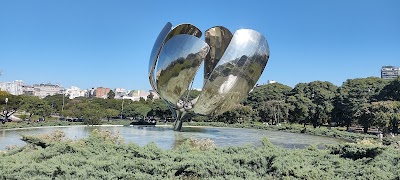
Recoleta
Suits those who appreciate quiet streets, classical architecture, and refined dining. The trade-off is higher prices and a lack of late-night bar culture compared to neighboring Palermo.
An upscale, conservative neighborhood filled with French-classical architecture, manicured plazas, high-end boutiques, and historic apartment buildings.
Where to stay Grand, historic luxury hotels or elegant mid-range apartments.
Stay in Recoleta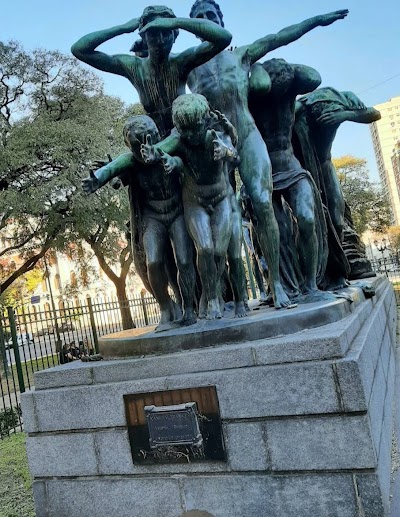
San Telmo
Suits budget travelers, antique hunters, and those seeking historic character. The trade-off is that streets can feel sketchy at night, and it becomes heavily congested with tourists on Sundays.
The city's oldest barrio, defined by cobblestone streets, crumbling colonial mansions, antique shops, and a bohemian, historic atmosphere.
Where to stay Character-rich hostels, converted historic townhouses, or budget-friendly boutique hotels.
Stay in San Telmo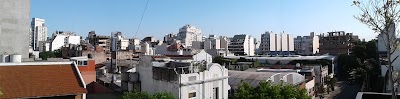
Villa Crespo
Suits travelers looking for an authentic, neighborhood feel without the tourist crowds. The trade-off is fewer major landmarks and a quieter nightlife scene.
A low-key, residential neighborhood adjacent to Palermo, known for its traditional Jewish heritage, leather outlets, and a rapidly growing independent dining scene.
Where to stay Unpretentious guesthouses or local apartment rentals.
Stay in Villa CrespoBook before you land
Top-rated tours and tickets in Buenos Aires, with live prices from Viator.

Empanada Cooking Class in Buenos Aires
from $90

Buenos Aires: 7-Course Argentine Asado & Live Music
from $85

Buenos Aires Like a Local: Private City Tour in Premium Car
from $140

Sailing with Wine Tasting in Buenos Aires
from $390

Buenos Aires Maradona Experience
from $125

Private Tour Jewish Buenos Aires
from $200

Private Photography Tour in Buenos Aires
from $175

Private transfer between airports AEROPARQUE/EZEIZA or vice versa
from $107
Prices from Viator; we may earn a commission when you book — at no extra cost to you. Tours are sold and operated by Viator, the merchant of record. Ratings are collected by Viator and Tripadvisor.
Book direct
Book a hotel in Buenos Aires
Loading live availability and real-time prices…
The Buenos Aires guide
Where to eat, drink and look, how to get around, and what locals expect of you. Open any chapter.
Where to eat
Dining
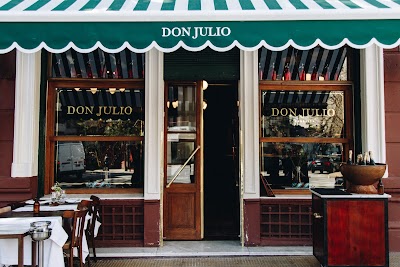
Don Julio
World-renowned for its meticulously sourced, grass-fed Aberdeen Angus and Hereford beef, paired with an extraordinary cellar of aged Argentine Malbecs.
Signature: Bife de cuadril (rump steak)
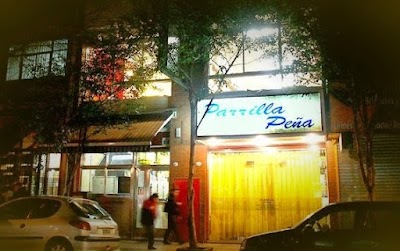
Parrilla Peña
A classic, no-frills neighborhood joint serving perfectly executed traditional cuts with a complimentary empanada to start.
Signature: Bife de lomo (tenderloin)
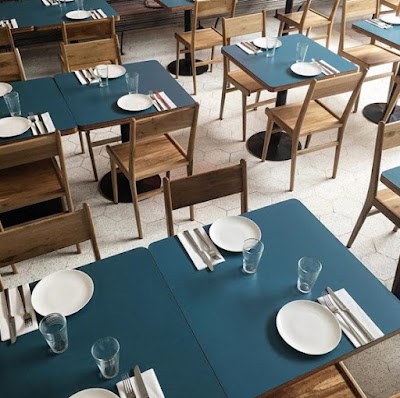
Corte Comedor
Located next to an artisanal butcher shop, this modern spot focuses on dry-aged cuts and house-made charcuterie.
Signature: Dry-aged ribeye
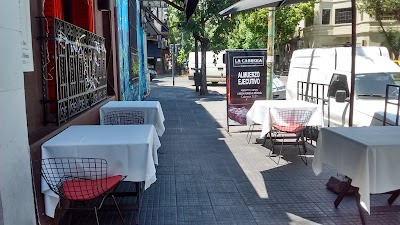
La Cabrera
Famous for its generous portions of high-quality beef served alongside a unique array of complimentary hot and cold miniature side dishes.
Signature: Ojo de bife (ribeye)
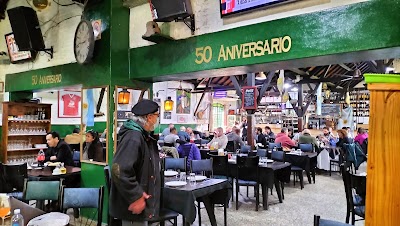
El Ferroviario
A massive, chaotic local favorite located near a railway line, serving giant portions of traditional cuts to families and large groups.
Signature: Asado de tira (short ribs)
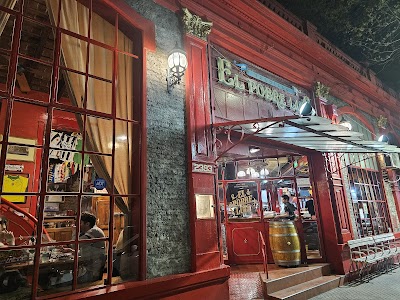
El Pobre Luis
A Uruguayan-style parrilla decorated with football jerseys, famous for its stuffed rolled meats and excellent sweetbreads.
Signature: Pamplona de lomo
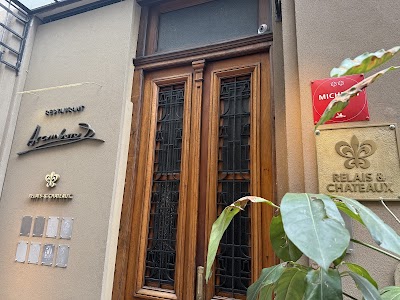
Aramburu
Offers a highly creative, multi-course tasting menu utilizing modernist techniques to highlight native Argentine ingredients in an elegant space.
Signature: Multi-course seasonal tasting menu
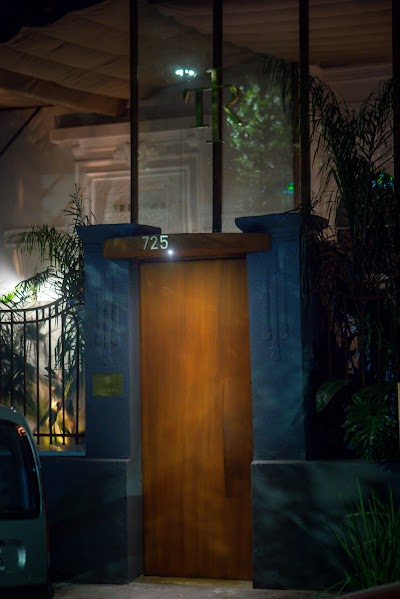
Trescha
An exclusive, research-driven 10-seat counter experience focusing on avant-garde culinary chemistry and seasonal micro-ingredients.
Signature: 14-course experimental menu
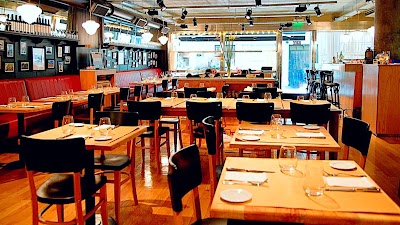
Mishiguene
Reinvents Jewish diaspora cuisine with upscale, creative flair, accompanied by a festive atmosphere and live music on weekends.
Signature: Pastrami on the bone
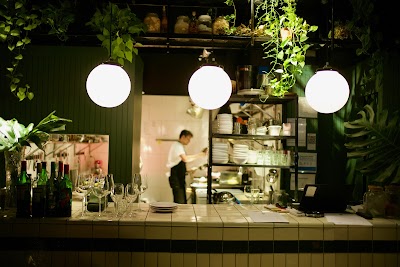
Julia
A tiny, highly sought-after independent restaurant where chef Julio Martín Baez serves inventive, ingredient-focused dishes.
Signature: Seasonal sweetbreads with local fruits
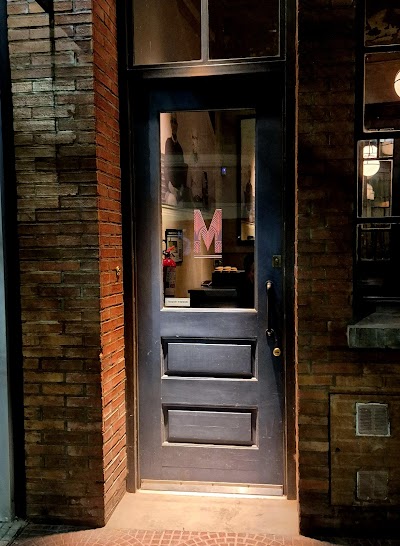
Mengano
A stylish bistro that playfully reimagines classic Argentine home cooking and bodegón dishes into sophisticated small plates.
Signature: Reconstructed revuelto Gramajo
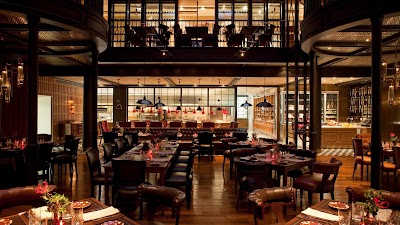
Elena
Located inside the Four Seasons, this grand restaurant serves exceptional dry-aged meats and artisanal charcuterie in a stunning courtyard setting.
Signature: Dry-aged T-bone steak
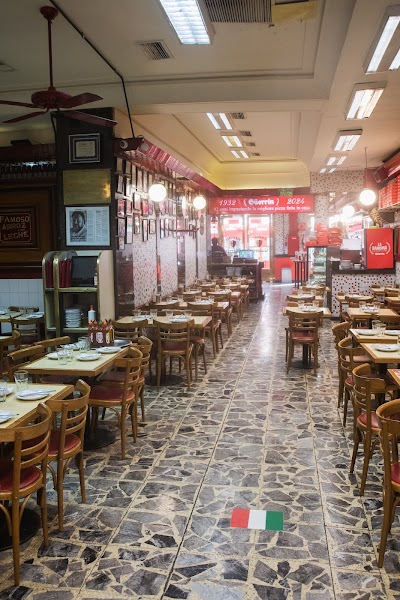
Güerrín
A legendary, chaotic theater-district institution serving thick, cheese-stuffed onion pizza to crowds standing at the counter.
Signature: Fugazzeta slice
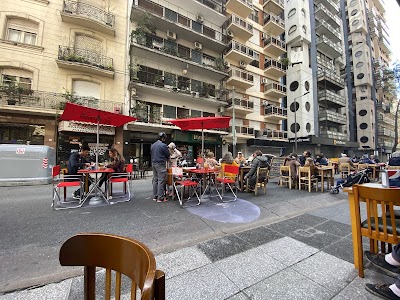
El Cuartito
Operating since 1934, this retro spot is covered in sports memorabilia and serves classic, heavy media masa pizzas.
Signature: Fugazzeta con jamón
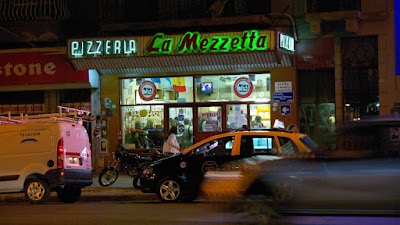
La Mezzetta
A tiny, standing-room-only counter famous for serving the most decadent, cheese-stuffed onion pizza in the city.
Signature: Fugazzeta stuffed with mozzarella
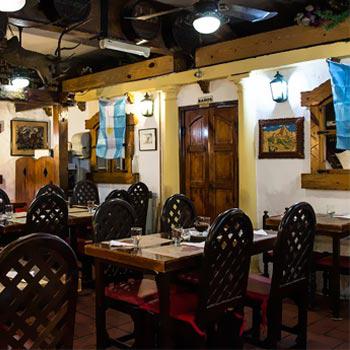
El Sanjuanino
A rustic, traditional spot famous for authentic northern Argentine empanadas and regional clay-oven dishes.
Signature: Baked spicy beef empanadas
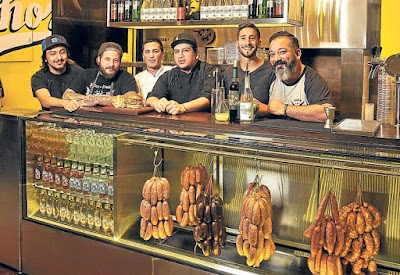
Chori
Elevates the classic Argentine street-food sausage sandwich with artisanal meats, fresh herbs, and creative toppings.
Signature: Choripán cervecero
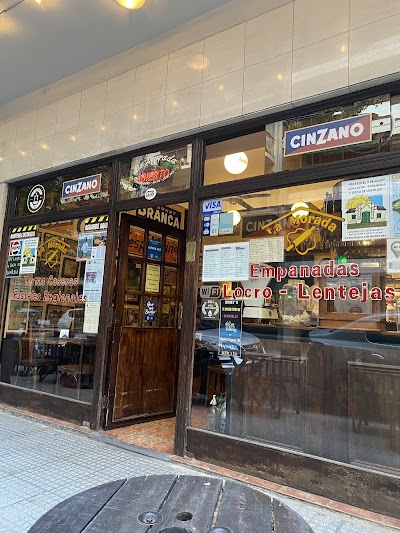
La Morada
A quirky, vintage-filled lunch spot decorated with mid-century memorabilia, serving excellent traditional empanadas.
Signature: Humita empanada
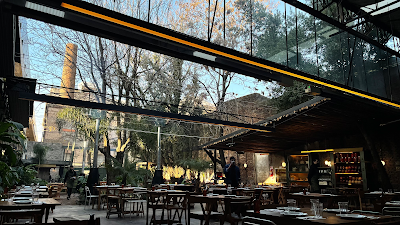
Chuí
A lush, open-air garden restaurant serving highly creative vegetarian dishes cooked entirely over open wood fires.
Signature: Wood-fired oyster mushrooms
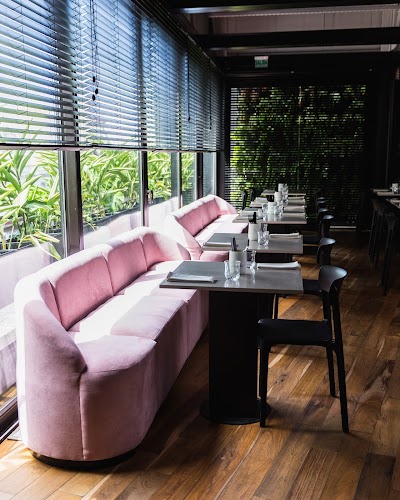
Mudra
Offers artistic, upscale plant-based dining on a high-design rooftop, focusing on organic ingredients and superfoods.
Signature: Plant-based sushi rolls
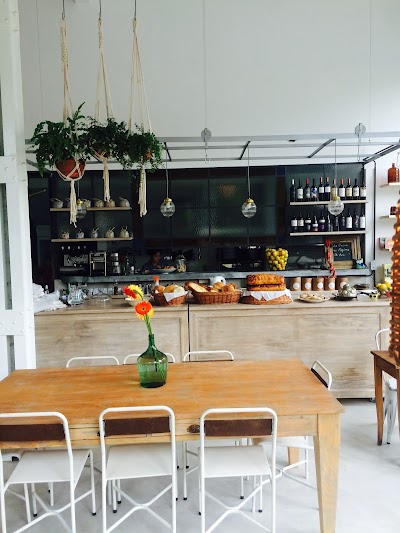
Artemisia
A bright, plant-filled warehouse space serving wholesome, rustic vegetarian comfort food made from organic ingredients.
Signature: Whole wheat sourdough flatbreads
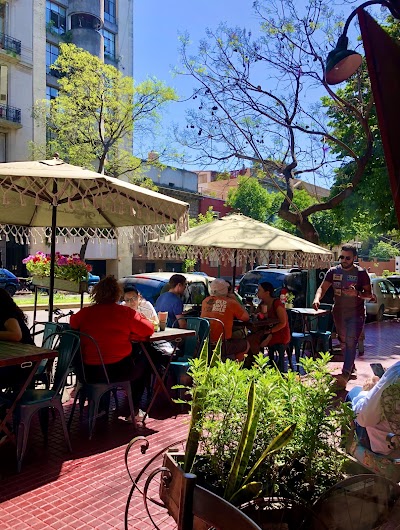
Hierbabuena
A health-conscious, plant-forward bistro on historic Boulevard Caseros, known for its colorful, nutrient-dense dishes.
Signature: Charcoal vegan burger
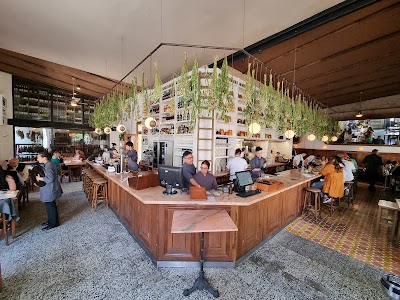
El Preferido de Palermo
A historic pink-walled tavern serving elevated versions of classic comfort food, including house-cured charcuterie.
Signature: Milanesa de bife de chorizo
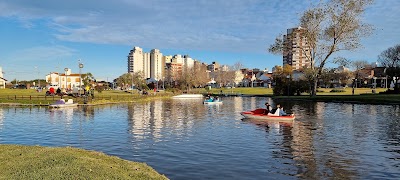
Miramar
A century-old, traditional bodegón famous for classic dishes like snails, frogs' legs, and slow-cooked stews.
Signature: Braised bull's tail
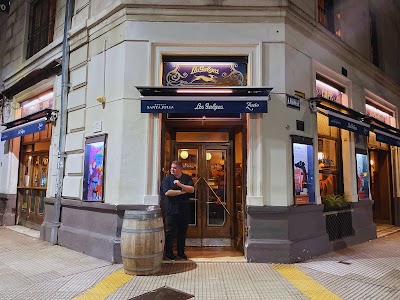
Los Galgos
A beautifully restored historic bar serving excellent vermouth on tap alongside elevated classic porteño dishes.
Signature: Revuelto Gramajo
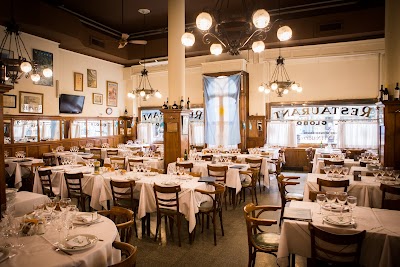
El Globo
A historic downtown restaurant operating since the early 1900s, famous for its massive, traditional boiled meat and vegetable stew.
Signature: Puchero de campo
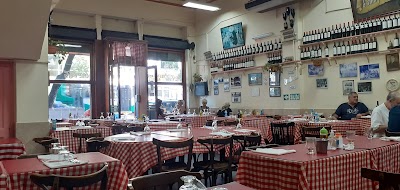
Spiagge di Napoli
A chaotic, family-run Italian cantina famous for mountain-sized portions of handmade pasta served in a noisy, lively room.
Signature: Fusilli al fierrito with tuco
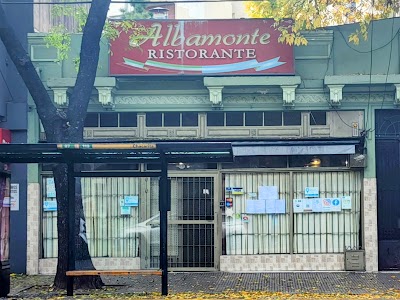
Albamonte
A traditional, old-school Italian-Argentine restaurant known for its consistent quality and classic, comforting pasta dishes.
Signature: Wood-fired pizza and fusilli
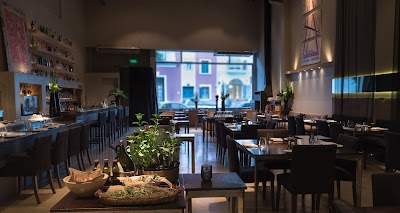
Crizia
A sleek, modern restaurant centered around a raw bar, showcasing fresh coastal seafood and sustainably sourced oysters.
Signature: Fresh Patagonian oysters
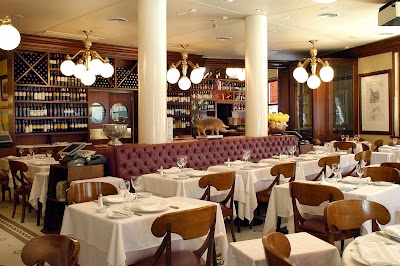
Oviedo
A high-end, classic Spanish restaurant known for its impeccable seafood preparations and one of the finest wine cellars in the country.
Signature: Grilled octopus
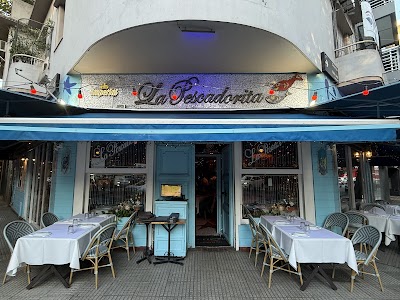
La Pescadorita
A playful, maritime-themed restaurant in Palermo Hollywood serving traditional seafood stews and fresh grilled fish.
Signature: Seafood paella
After dark
Nightlife
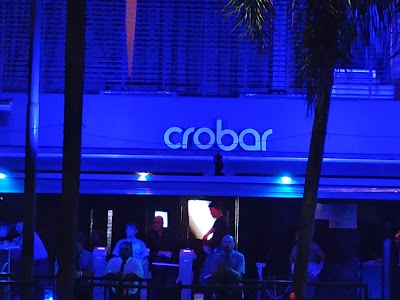
Crobar
A massive industrial space that stands as the city's premier venue for international electronic music and techno DJs.
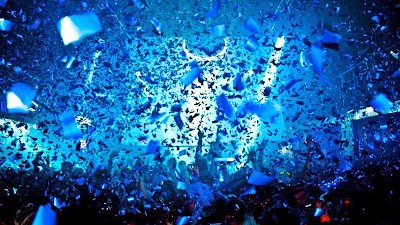
Niceto Club
A versatile venue hosting legendary indie rock gigs, diverse club nights, and the famous Club Severino dance party.
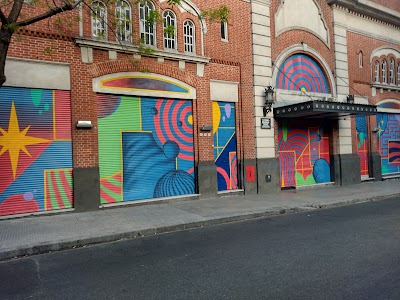
Amerika
One of the largest LGBTQ+ clubs in Latin America, famous for its open bar, multi-level dance floors, and high-energy pop and techno.
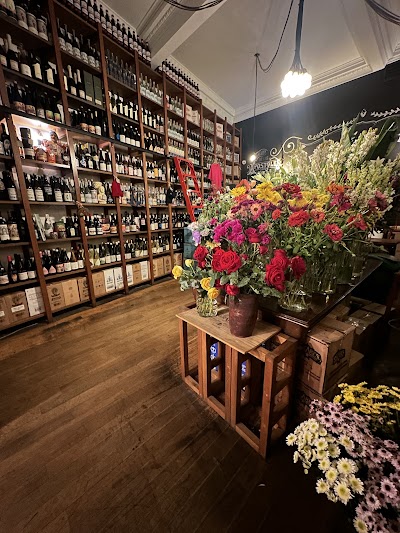
Florería Atlántico
A world-famous speakeasy hidden beneath a fully functioning flower and wine shop, serving cocktails inspired by immigrant history.
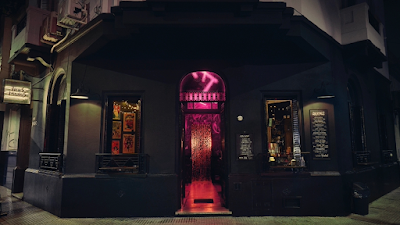
Tres Monos
A tiny, punk-attitude bar serving world-class cocktails made with local ingredients, known for its friendly, unpretentious service.
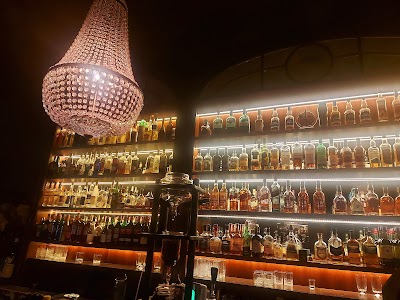
Presidente Bar
A glamorous, high-end cocktail lounge located in a historic mansion, featuring a secret library room and classic mixology.
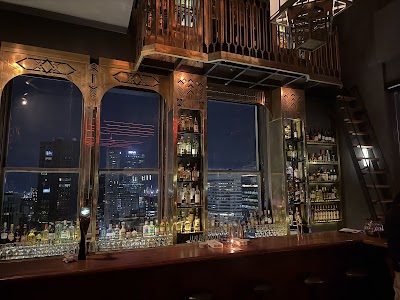
Trade Sky Bar
A rooftop bar offering panoramic views of the city's iconic Art Deco skyscrapers and the riverfront.
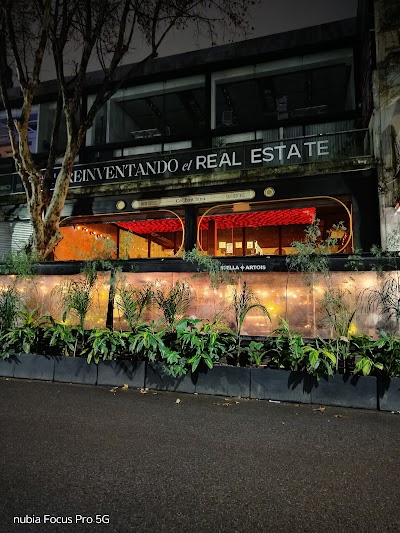
CoChinChina
A trendy, multi-level bar by mixologist Inés de los Santos, serving French-Indochina inspired cocktails and small plates.
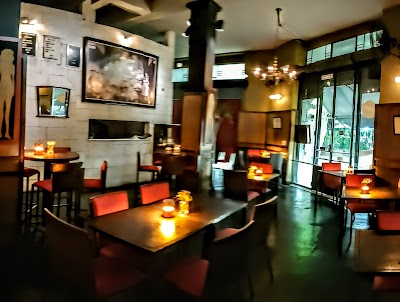
Doppelgänger
A serious cocktail den that rejects beer and soda, focusing entirely on classic, spirit-forward mixology and custom creations.
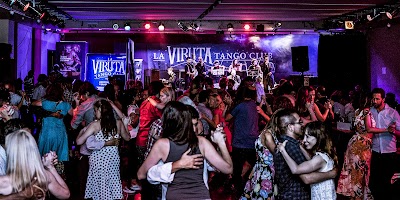
La Viruta
A legendary basement tango hall offering late-night lessons and social dancing for both beginners and seasoned dancers.
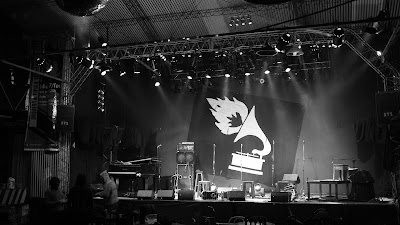
Club Atlético Fernández Fierro (CAFF)
A cooperative-run venue hosting a powerful, modern twelve-piece tango orchestra playing with a punk-rock attitude.
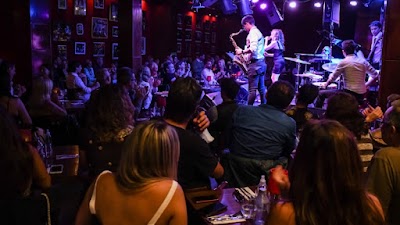
Bebop Club
An intimate basement jazz club hosting top-tier local and international jazz, blues, and soul musicians.
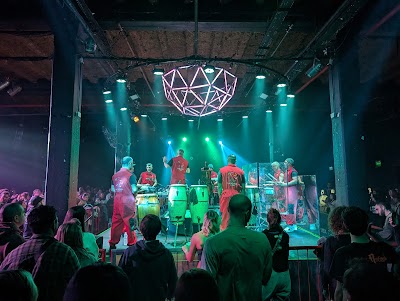
Konex
A former oil factory turned cultural center, famous for hosting the high-energy Monday night percussion show La Bomba de Tiempo.
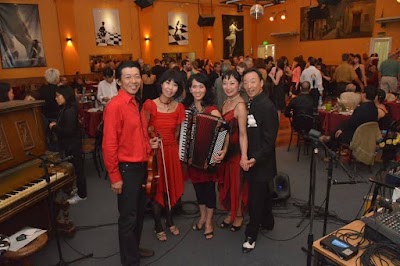
Salon Canning
One of the most traditional milongas in the city, where elegant locals gather to dance tango under classic lighting.
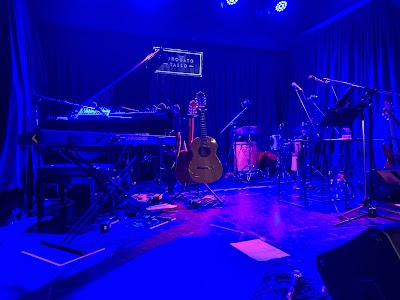
Torquato Tasso
A historic cultural center hosting intimate performances by legendary tango singers and instrumentalists.
Art & history
Culture
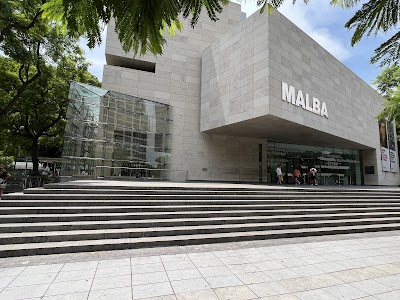
MALBA
Houses an exceptional collection of modern and contemporary Latin American art, including works by Frida Kahlo and Diego Rivera.
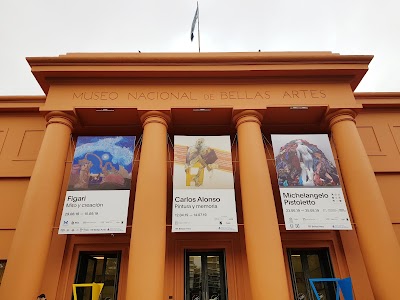
Museo Nacional de Bellas Artes (MNBA)
Features the country's largest public art collection, showcasing European masters alongside historic Argentine painters.
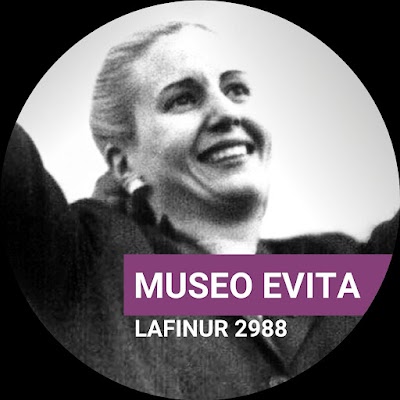
Museo Evita
Explores the life, political impact, and myth of Eva Perón through personal belongings, historical footage, and publications.
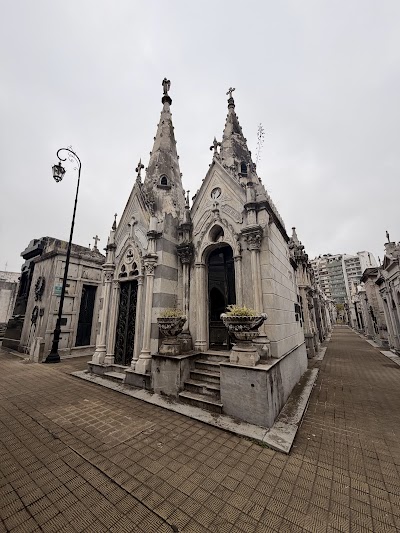
Recoleta Cemetery
A labyrinth of elaborate stone mausoleums and neoclassical tombs, containing the final resting places of the nation's elite, including Eva Perón.
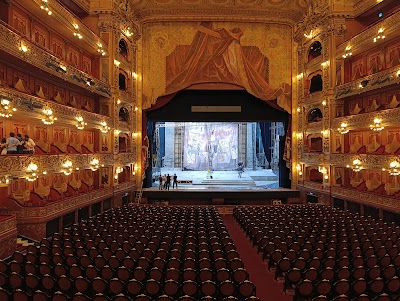
Teatro Colón
Renowned globally for its near-perfect acoustics and opulent, French-classical interior design.
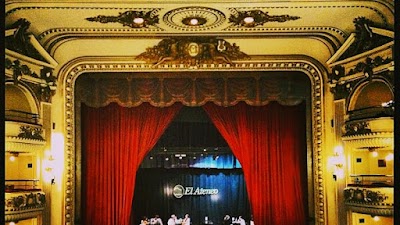
El Ateneo Grand Splendid
A majestic 1919 theater beautifully converted into one of the world's most spectacular bookstores, with reading nooks in the former theater boxes.
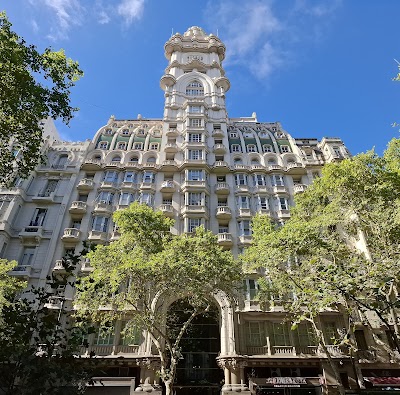
Palacio Barolo
A unique Art Nouveau skyscraper designed in tribute to Dante's Divine Comedy, featuring a lighthouse at the top with panoramic city views.
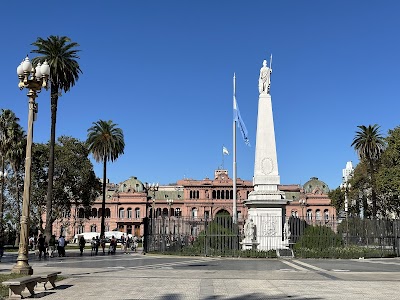
Plaza de Mayo
The political heart of the nation, bordered by the pink presidential palace (Casa Rosada) and the Metropolitan Cathedral.
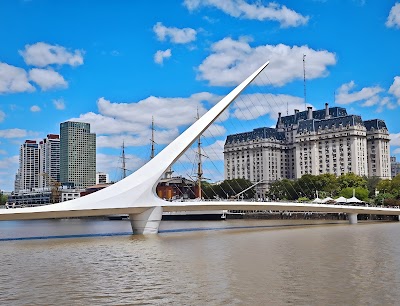
Puente de la Mujer
A sleek, rotating pedestrian suspension bridge designed by Santiago Calatrava, representing a couple dancing tango.
Centro Cultural Kirchner (CCK)
A massive cultural center housed in the historic central post office, hosting free concerts, exhibitions, and performances.
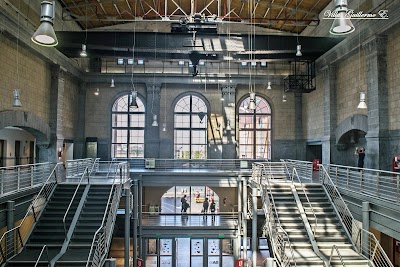
Usina del Arte
A beautifully restored 1916 power plant turned cultural venue, hosting concerts, art installations, and culinary festivals.
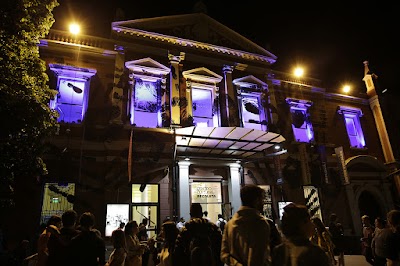
Centro Cultural Recoleta
A vibrant hub for youth culture, street art, experimental theater, and contemporary exhibitions next to the cemetery.
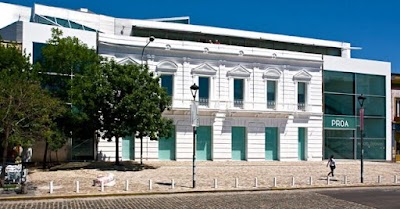
Fundación Proa
A sleek contemporary art space located in La Boca, hosting international modern art exhibitions with a rooftop cafe overlooking the river.
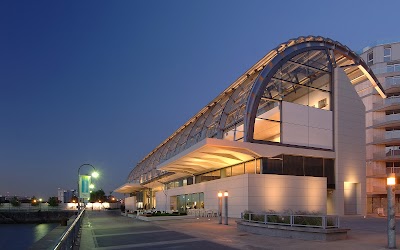
Colección de Arte Amalia Lacroze de Fortabat
A private art collection housed in a modern glass building, featuring works by local masters and international artists.
Ruth Benzacar Galería de Arte
A pioneering contemporary art gallery that has championed experimental Argentine artists for decades.
Timing
When to visit
Spring
From September to November, jacaranda trees bloom in shades of violet across the city. Temperatures are mild, making it the ideal season for walking through the parks of Palermo and Recoleta before the intense summer heat sets in.
Autumn
From March to May, the city's leafy streets turn golden brown. Temperatures cool down, and the cultural calendar comes alive with major theater openings, art exhibitions, and film festivals.
Summer
From December to February, the city becomes hot and humid. Many locals depart for the Atlantic coast, leaving the city quieter, though some smaller shops and restaurants may close for annual holidays in January.
Winter
From June to August, expect crisp, cold days with clear blue skies. It is the perfect weather for ducking into historic cafes for thick hot chocolate and churros, or enjoying hearty stews like locro.
What it costs
Budgeting
Logistics
Getting around
From the airport
International flights land at Ministro Pistarini International Airport (EZE), located about 30 kilometers from the center. The most reliable transit option is a pre-booked private car (remis) from official booths inside the terminal, or the Manuel Tienda León bus service. Domestic and regional flights use Aeroparque Jorge Newbery (AEP), which sits directly on the city's riverfront, a short taxi ride from Palermo or Recoleta.
Public transit
The Subte (subway) is the fastest way to navigate the central grid, though it can become hot and crowded during rush hours. Complementing the trains is a massive, 24-hour network of city buses known as colectivos, which run on dedicated lanes along major avenues.
Passes & tickets
The SUBE card is the sole payment method for all subways and buses. It must be purchased and loaded with credit at subway stations or designated kiosks (kioscos) marked with the SUBE logo. The card itself and fares are highly economical, falling well within the lowest price band (€).
On foot
Central neighborhoods like San Telmo, Recoleta, and Palermo are highly walkable, laid out in a straightforward grid system. However, the sheer physical scale of the city means that traveling between these districts requires public transit or a cab.
Local etiquette
Safety & etiquette
- Greet locals with a single kiss on the right cheek, a custom shared by both men and women.
- Do not rush your waiter for the bill; dining is a leisurely activity, and you must explicitly ask for 'la cuenta' when you are ready to leave.
- Avoid discussing sensitive political topics, such as the military dictatorship or the Falklands (Malvinas) conflict, unless you are with close friends.
- When sharing mate, never stir the metal straw (bombilla), as this is considered poor etiquette and clogs the filter.
Travel smart
Practical tips
- Always purchase a SUBE card at the airport or a subway station immediately upon arrival, as local buses do not accept cash.
- When exchanging US dollars for cash, ensure your bills are crisp, clean, and completely unmarked, as damaged bills are routinely rejected.
- Use ride-hailing apps like Cabify or Uber for safer, tracked transportation at night rather than hailing random street taxis.
- Make dinner reservations weeks in advance for highly popular parrillas like Don Julio, or show up at 7:00 PM to join the walk-in waitlist.
- Order your steak 'jugoso' for medium-rare or 'a punto' for medium; ordering it well-done ('cocido') is generally discouraged.
- Keep your phone secure and out of sight when standing near street curbs to prevent snatch-and-grab thefts by passing motorcyclists.
- Embrace the afternoon merienda around 5:00 PM to help adjust your dining schedule to the late-night local rhythm.
Before you go
Buenos Aires FAQs
Is tap water safe to drink?
Yes, tap water in Buenos Aires is safe and treated to high standards, though some travelers prefer bottled water for taste.
How do I pay for public transit?
You must use a SUBE card, which can be purchased and loaded with credit at subway stations and local kiosks.
What is the best way to exchange money?
Use credit cards for most purchases as they offer a favorable tourist rate, but bring crisp, unmarked US dollar bills to exchange for cash when needed.
Do I need to tip at restaurants?
Yes, a 10% tip is standard for good service in restaurants, and cash is highly preferred even when paying the bill by card.
When do nightclubs open?
Nightclubs open around 1:00 AM, but they do not fill up or get lively until at least 3:00 AM, running until dawn.